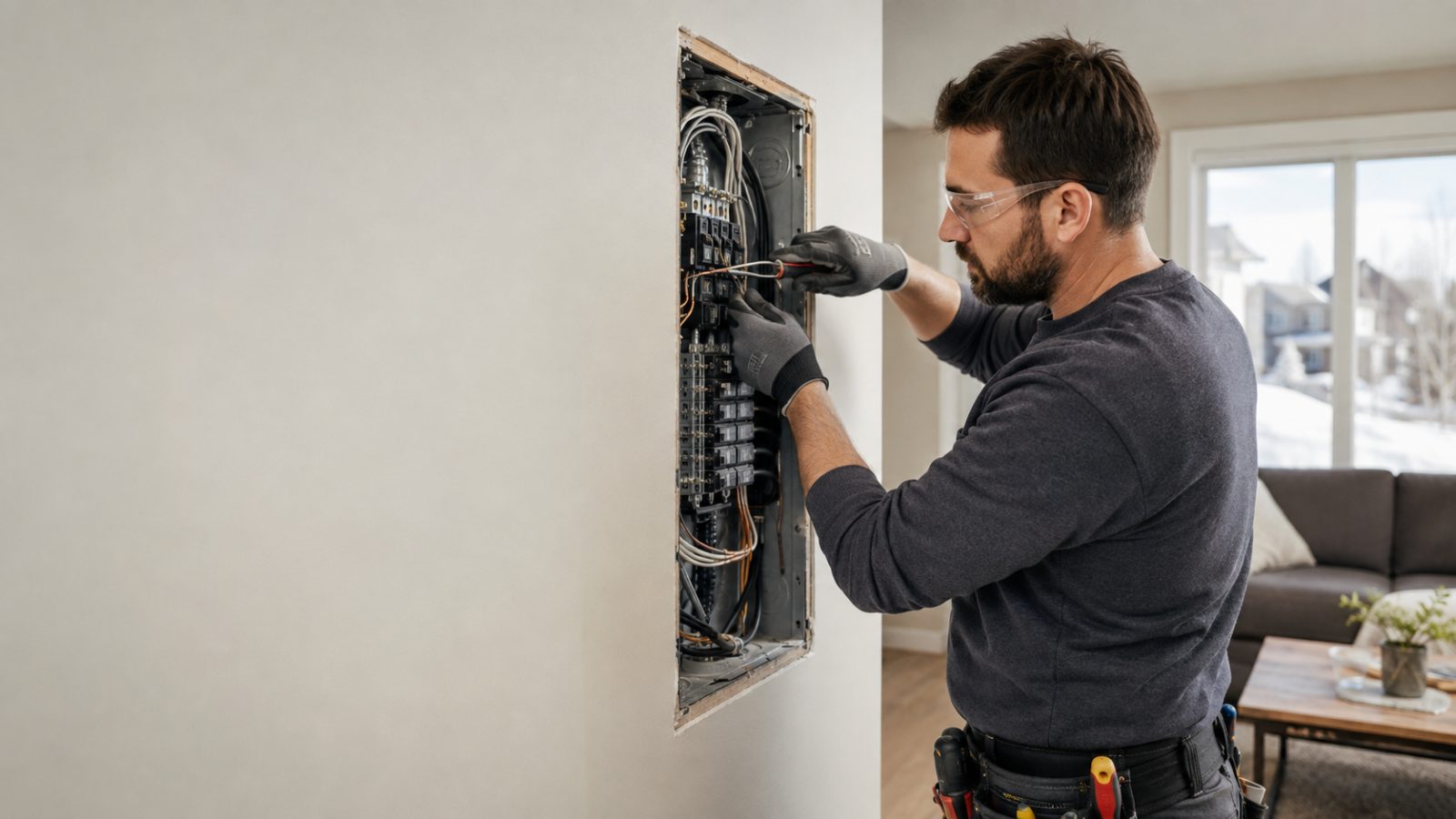
A focused aluminum wiring correction option
Aluminum-to-Copper Pigtailing in Saskatoon
Find out whether pigtailing fits your home. Get a Free Estimate
A focused aluminum wiring correction option
Find out whether pigtailing fits your home. Get a Free Estimate
Aluminum-to-copper pigtailing is one of the most commonly discussed correction methods for aluminum branch wiring. The basic idea is to connect a short copper conductor to the existing aluminum branch conductor so the applicable device connection is made on copper.
The important part is how the complete connection is handled. Conductor condition, joining method, box space, devices, previous repairs, and surrounding wiring all matter. We approach pigtailing as a planned correction rather than a shortcut applied without looking at the rest of the installation.
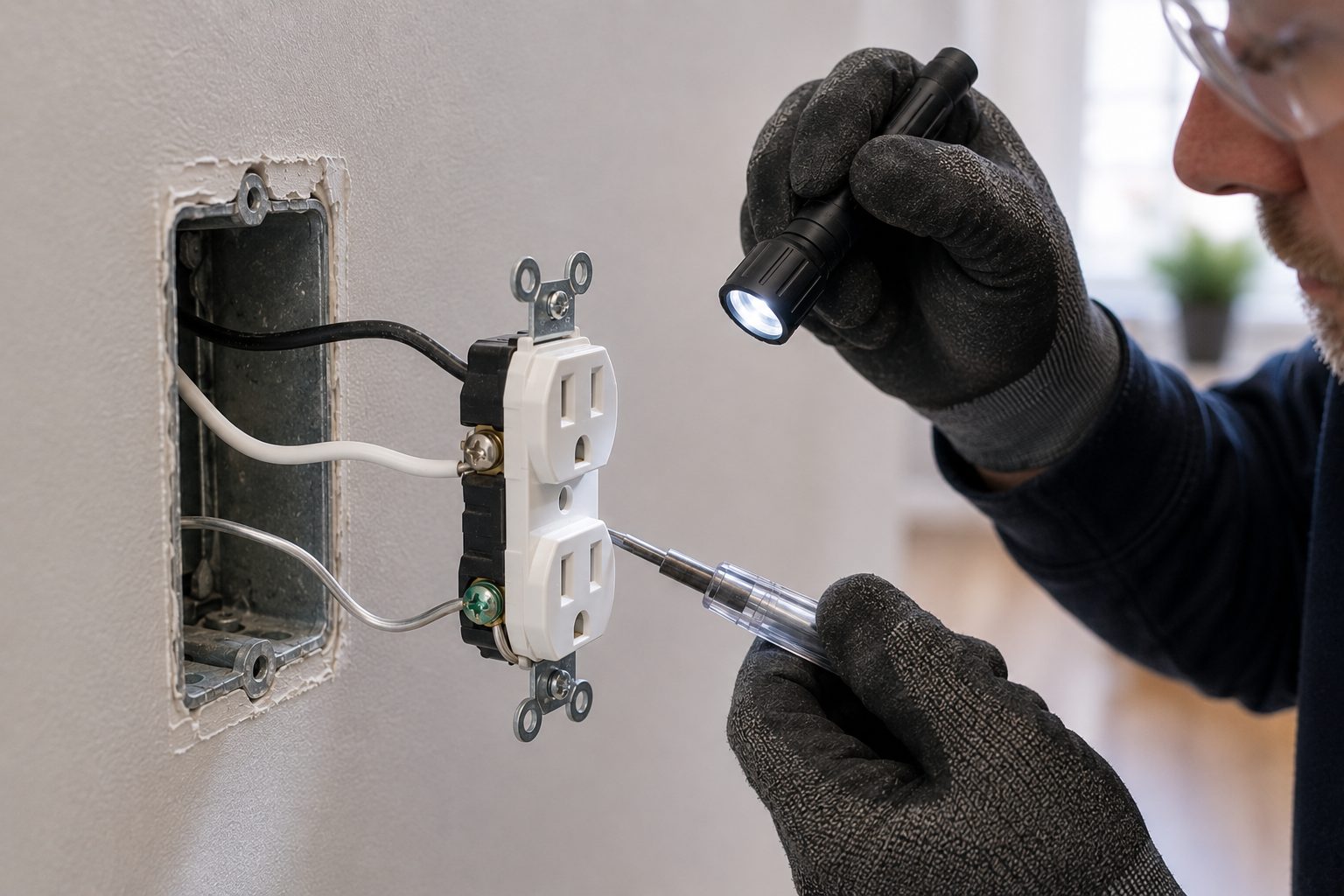
## What aluminum-to-copper pigtailing does In a pigtail configuration, a short copper conductor is joined to the existing aluminum branch conductor using a connection method intended for the application. The copper portion is then used at the applicable device connection. This allows the existing branch conductor to remain in place while changing the device-side connection. ### Why the joining method matters The connection between aluminum and copper is a critical part of the installation. The connector or joining system must be suitable for the conductors and used as intended. The condition of the aluminum conductor, available box space, device, and other conductors in the box also matter. ### Every box can be different One receptacle box may be straightforward. The next may contain multiple conductors, an added copper extension, limited space, or a previous repair. That is why a generic price per device can be misleading before the wiring has been assessed. ### Existing pigtails and earlier corrections Some homes have already been partially pigtailed. Previous connections should be reviewed when planning the current project. The goal is not to assume every earlier repair needs replacement, but to understand what is present and how it fits with the new scope. ## Insurance-related pigtailing If an insurer has requested aluminum wiring corrections, provide the written request before the project is finalized. Insurance requirements can involve inspection, correction, documentation, or follow-up, and the word pigtailing alone may not define the entire job. ## Pigtailing versus rewiring Pigtailing retains the existing aluminum branch conductor and changes the connection at accessible points. Rewiring replaces the branch conductor itself. Which approach makes sense depends on the property, accessibility, renovation plans, project goals, and applicable requirements. ## Price the property, not only the device count Device count matters, but so do box conditions, conductor arrangements, previous repairs, accessibility, device replacements, and additional corrections. A property-specific assessment provides a more useful basis for planning the work.
Aluminum-to-copper transition work at applicable accessible receptacle connections included in the project scope.
Pigtailing at applicable accessible switch locations while accounting for the conductor arrangement already present.
Correction of applicable aluminum device-side connections at accessible lighting or fixture boxes.
A defined pigtailing project covering selected circuits, rooms, or areas instead of automatically treating the entire property.
| Service | Estimated Cost | Average |
|---|---|---|
| Selected-device pigtailing | Custom quote | Varies by quantity |
| Multi-room pigtailing | Custom quote | Varies by box conditions |
| Whole-home pigtailing scope | Custom quote | Varies by property |
Cost depends on the number of accessible connections, conductor and box conditions, previous alterations, device changes, accessibility, and joining method.
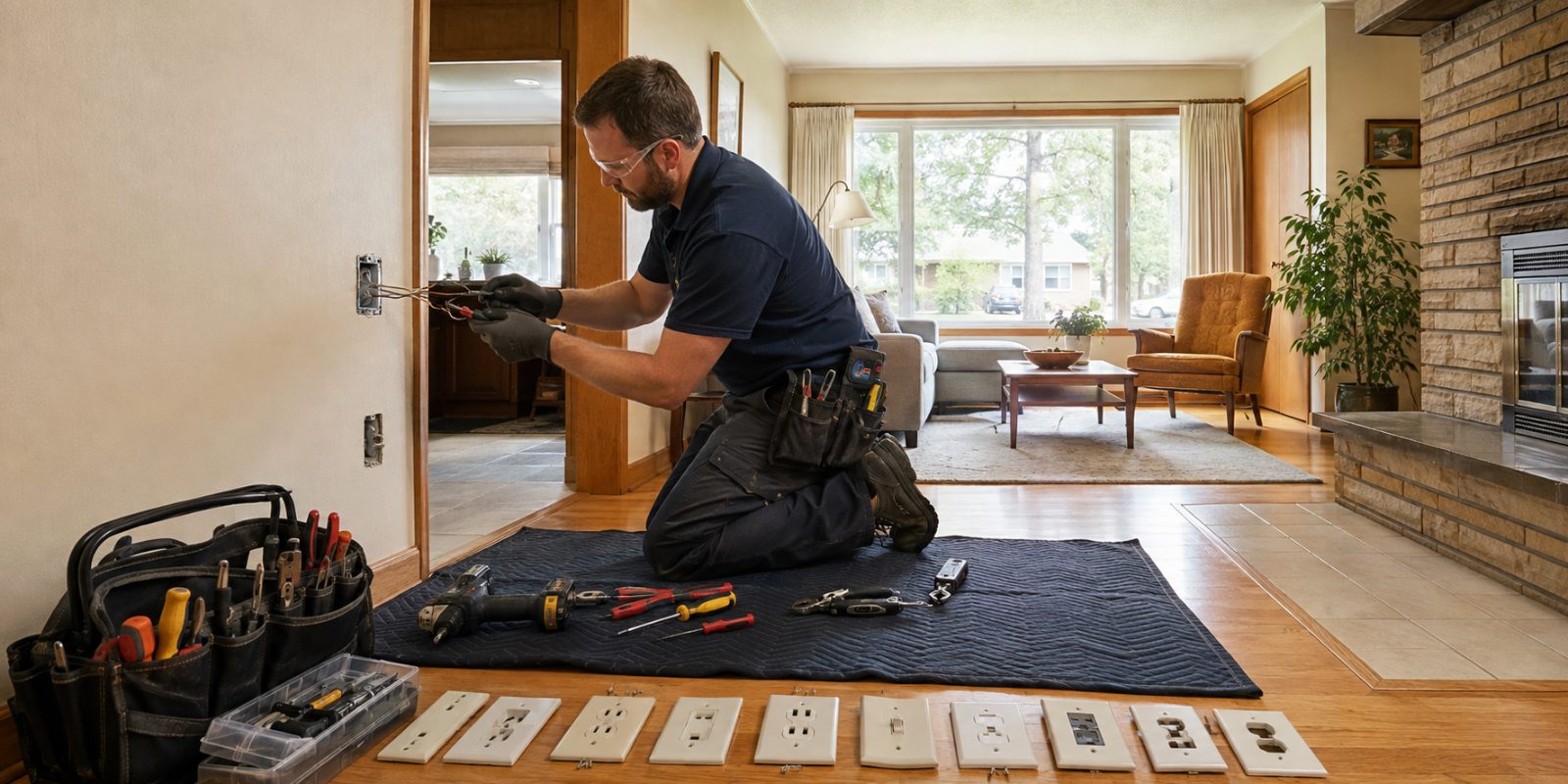
We consider the connector, conductors, device, and box together rather than focusing only on adding a copper pigtail.
Pigtailing can be planned for selected circuits or incorporated into a broader remediation project.
Existing pigtails, copper additions, and mixed wiring are considered before new work is added.
Considering aluminum-to-copper pigtailing in Saskatoon? Start with the wiring configuration and the scope you actually need.
Free — no obligations
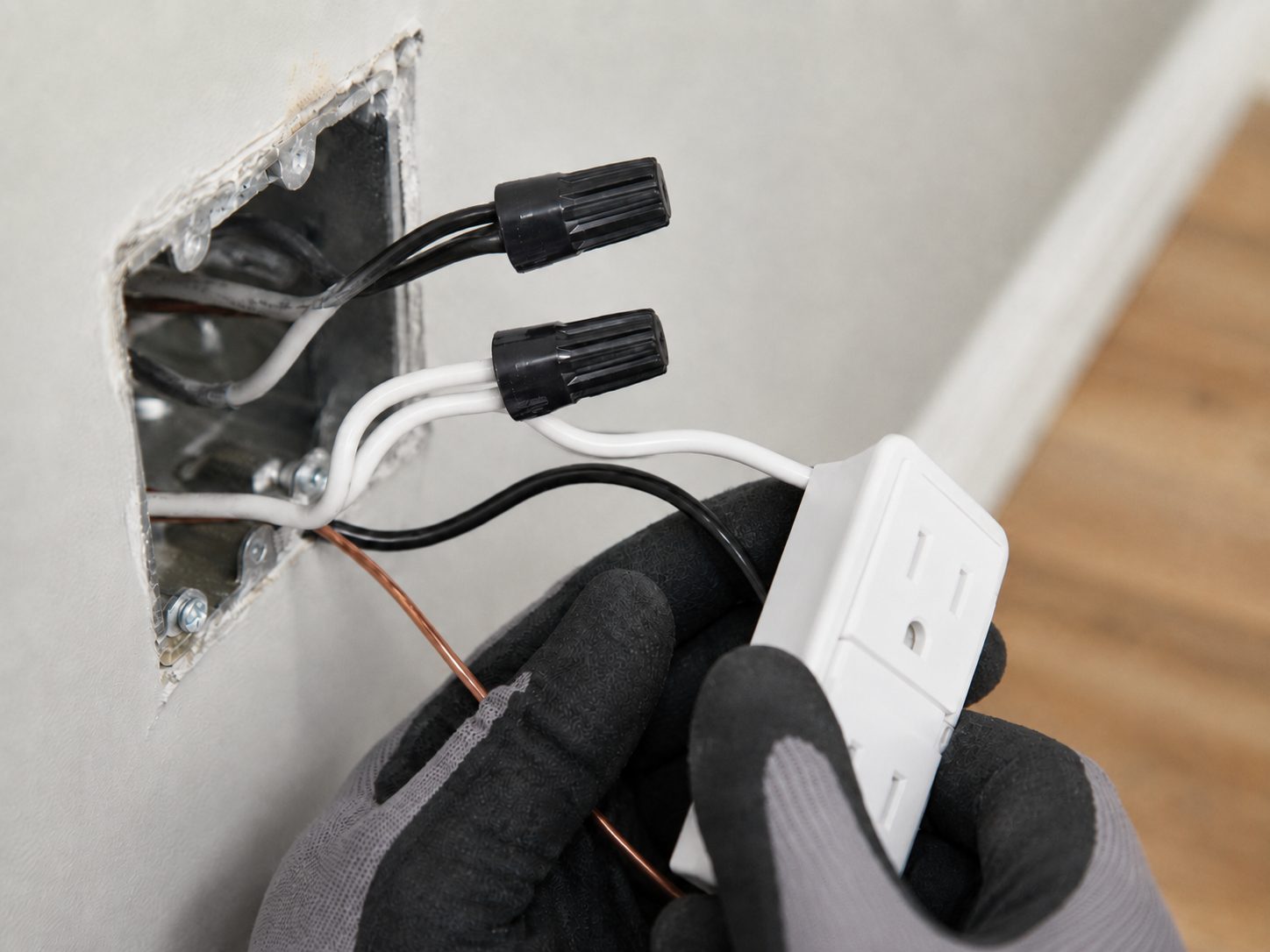
Confirm the relevant aluminum branch wiring and review accessible connection conditions.
Determine whether pigtailing will cover selected devices, individual circuits, multiple rooms, or a broader portion of the home.
Account for existing pigtails, copper additions, device changes, and other accessible alterations.
Install the agreed aluminum-to-copper connections using an approach suited to the conductors and application.
If other relevant conditions are identified outside the original scope, discuss whether they should be addressed now or separately.